
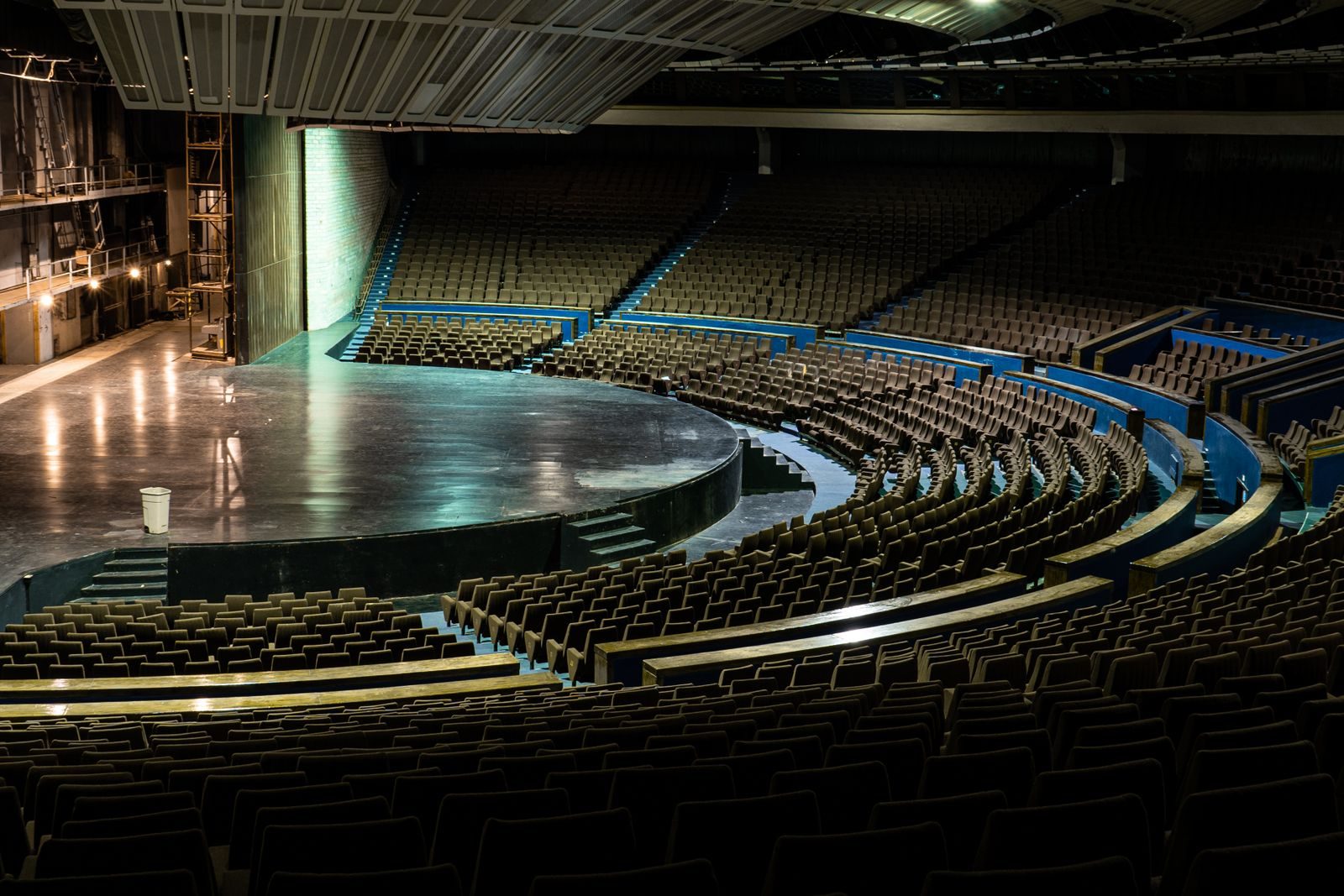
A concert venue business plan is the document that turns a room into an investable business. It defines the concept, proves the market can support it, and shows how programming, operations, and financials come together across a realistic three-year window. The sections below cover the components every serious plan needs — the same framework we use with venue clients on entertainment strategy engagements.
01 · Executive summary & concept
Executive summary & concept
Open with a one-page thesis: what kind of room you're building, who it serves, and why it wins in this market. Name the format (listening room, mid-sized rock club, multi-format hall, supper club with music), the primary audience, and the two or three programming pillars the calendar will lean on. Investors read this page first — everything downstream has to ladder up to it.
02 · Market analysis & venue positioning
Market analysis & venue positioning
Map every venue within a 30-minute drive by capacity, genre, ticket price, and average show count. Identify the gap you're filling: an underserved capacity band (400–800 is often thin), a missing genre lane, a better-run listening experience, or a hospitality-forward hybrid. Positioning is what makes an agent route a tour through your room instead of a competitor's.
03 · Programming strategy
Programming strategy
Programming is the product. Decide the mix of national touring shows, regional bills, resident nights, private events, and non-music programming (comedy, podcast tapings, brand activations). A defensible plan targets 150–220 event nights a year, with a headline show cadence the market can actually support. Line up an experienced talent buyer — in-house or fractional — before you break ground.
04 · Capacity, layout & production
Capacity, layout & production
Capacity drives everything: guarantees you can offer, bar spend per head, staffing model, and the agents who take your calls. Model at least two configurations (standing vs seated) and be honest about sightlines, load-in, and back-of-house. Production spec — PA, lighting rig, monitor world, dressing rooms — must clear a rider from a mid-tier touring act without upgrades on show day.
05 · Revenue model
Revenue model
Build the P&L bottom-up per show: ticketing, bar and food, merch splits, ticketing fees, sponsorship, and private buyouts. Assume realistic sell-through by tier (60–75% average is a working baseline), a per-cap bar spend anchored to comparable venues, and a private-event calendar that fills the dark nights the touring calendar leaves behind. Non-ticket revenue is usually what turns a break-even year into a profitable one.
06 · Operating budget & staffing
Operating budget & staffing
Separate pre-opening costs (build-out, permits, opening marketing, first-quarter working capital) from steady-state operating costs. Steady-state headcount typically includes a GM, talent buyer, marketing lead, production manager, box office lead, F&B manager, plus per-show variable labor. Model 12 months of runway past opening — the first two quarters rarely hit plan.
07 · Marketing & audience development
Marketing & audience development
A venue brand is a promise about the room and the calendar. Invest in the identity (name, visual system, photography), owned channels (site, email, SMS), and a launch calendar that includes a signature opening moment. Long-term, the moat is a first-party audience database that lets you pre-sell shows before the on-sale.
08 · Financial projections
Financial projections
Project three years of monthly cash flow with clearly stated assumptions on show count, average ticket price, sell-through, per-cap spend, and private-event mix. Include a downside case (20–25% below plan) and the actions you'd take if you hit it. Lenders and equity partners care as much about the plan for a bad quarter as they do about the base case.
09 · Risk, permits & governance
Risk, permits & governance
Address zoning, noise, occupancy, alcohol licensing, ASCAP/BMI/SESAC, insurance, and neighborhood relations up front. Name the operating entity, the board or advisory group, and the reporting cadence to investors. A venue is a hospitality business with a live-event risk profile — governance should reflect both sides.
Checklist · What to hand an investor
- One-page executive summary with concept, market gap, and headline economics.
- Competitive map of nearby venues by capacity, genre, and ticket price.
- Programming plan with target event count, mix of touring vs resident vs private, and named talent buyer.
- Site plan with two capacity configurations, production spec, and load-in path.
- Three-year monthly P&L with base and downside cases and stated assumptions.
- Pre-opening budget and 12-month post-opening working capital plan.
- Marketing plan with launch calendar and first-party audience strategy.
- Risk register covering permits, licensing, insurance, and neighborhood relations.
Bringing in an advisor
Most venue projects benefit from an outside advisor on the programming and financial-model sections, where the assumptions carry the most weight and are easiest to get wrong. Gigwell Advisory works with developers and operators on venue positioning, programming architecture, buyer placement, and launch planning — usually engaged before design is finalized so capacity, production, and calendar decisions stay in sync.
Related reading: Entertainment Strategy & Consulting · Fractional Talent Buyer Placement · For Venues